
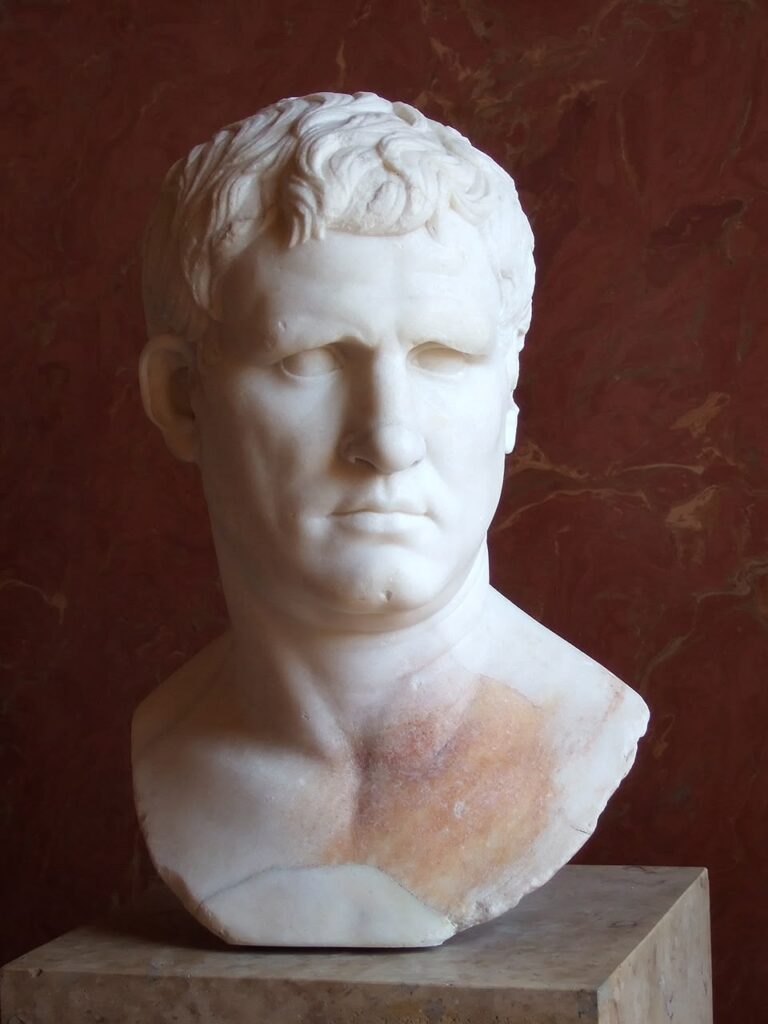
Marcus Vipsanius Agrippa is a significant figure in Roman history, known for his various roles as builder, admiral, and power broker. His life was closely connected with Augustus, the first Roman emperor, influencing the course of the Roman Empire during a crucial period. Agrippa’s impact went beyond military achievements; he was a loyal friend and deputy to Augustus, playing a vital role in establishing imperial authority.
This combination of military skill, political insight, and construction expertise makes Marcus Vipsanius Agrippa a key figure in shaping Rome’s transformation under Augustus’ reign.
Early Life and Rise to Prominence
Marcus Vipsanius Agrippa came from a common background in Roman Italy, which set him apart from many of his aristocratic peers. His family was neither wealthy nor politically influential when he was born around 63 BC. This humble beginning did not hinder Agrippa’s rise; instead, it shaped his character into one marked by resilience and practical intelligence.
Agrippa’s early friendship with Octavian—who would later become Emperor Augustus—proved crucial. Both young men shared a common vision for Rome’s future and mutual trust that would endure through decades of political turmoil. Their alliance began in youth, providing Octavian with a loyal confidant and military strategist while opening opportunities for Agrippa to expand his influence beyond his social class.
The Role of Agrippa in Rome’s Power Struggles
The period following Julius Caesar’s assassination in 44 BC was marked by instability and power struggles. Rome faced civil wars, shifting loyalties, and uncertainty about the Republic’s future, which had undergone a significant transformation from monarchical rule to a republican system around 509 BCE, known as the birth of the Roman Republic. In this unpredictable environment, leaders like Agrippa were crucial. His strategic abilities and political insight helped stabilize Octavian’s position amid competing factions such as those led by Mark Antony and Sextus Pompey.
Key factors in Agrippa’s rise:
- Plebeian roots offering a grounded perspective
- Early bond with Octavian establishing trust and cooperation
- Military skill emerging during Rome’s chaotic power transitions
This foundation set the stage for Agrippa’s later achievements as both a commander and statesman, integral to Augustus’ consolidation of power.
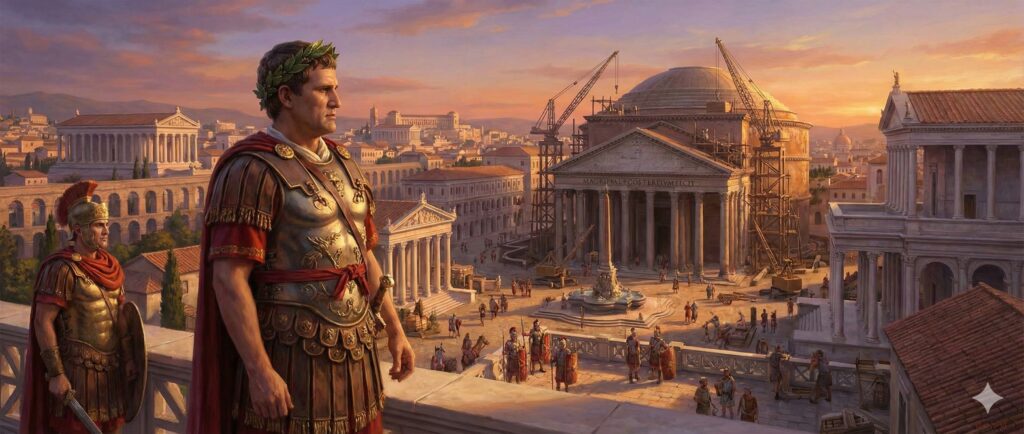
Military Achievements and Naval Command
Marcus Vipsanius Agrippa’s military career was marked by his exceptional skill as both a land general and naval commander. His expertise in naval battles proved decisive in securing Octavian’s position during the turbulent years following Julius Caesar’s assassination.
Key Victories
Key victories that established Agrippa’s reputation include:
- Defeat of Sextus Pompey: Agrippa defeated Sextus Pompey, who threatened Rome’s grain supply and stability.
- Battle of Mylae (36 BC): At this battle, Agrippa commanded the Roman navy and dismantled Pompey’s fleet.
- Battle of Naulochus: Later on, Agrippa achieved another victory against Pompey at this battle.
These victories demonstrated not only tactical brilliance but also strategic foresight in controlling maritime routes essential for Rome’s survival.
Importance of Naval Warfare
Naval warfare held immense strategic importance during this period. Control over the seas meant dominance over trade, military logistics, and political influence across the empire. Agrippa’s ability to innovate in ship design and fleet organization gave him a critical edge.
The Battle of Actium
The Battle of Actium (31 BC) stands as the pinnacle of Agrippa’s naval command. As commander of Octavian’s fleet, he orchestrated a complex blockade against Mark Antony and Cleopatra’s combined forces. Utilizing superior tactics and knowledge of local waters, Agrippa’s fleet inflicted a crushing defeat that ended the civil wars and paved the way for Augustus’ uncontested rule over Rome.
Agrippa’s military career exemplifies mastery in naval warfare that shaped Rome’s transition from republic to empire through decisive maritime dominance. The broader context of how military might shaped an empire is evident in Agrippa’s achievements, which were integral to the operational effectiveness of the Roman Army.
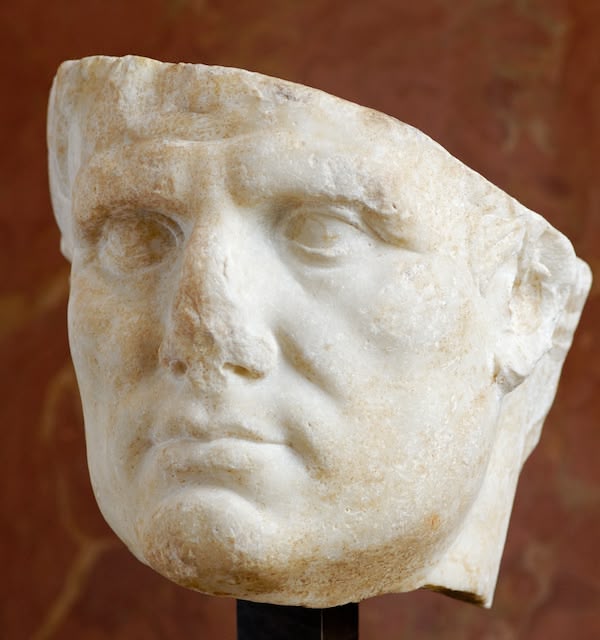
Political Career and Role as a Power Broker
Marcus Vipsanius Agrippa held several key political offices that underscored his influence in the Roman state. His career included roles such as:
- Tribune of the Plebs: A position that gave him direct appeal to the common people and the power to propose legislation.
- Praetor Urbanus: Responsible for the administration of justice within Rome, a role that allowed him to shape legal precedents.
- Consul: Agrippa served multiple consulships, marking him as one of the most prominent leaders of his time.
Agrippa’s political authority extended beyond mere titles. He possessed veto rights over Senate acts, a power rarely granted and indicative of Augustus’ trust in him. This authority allowed Agrippa to actively shape the legislative process, blocking proposals that could undermine the new regime or destabilize governance.
His role as a power broker was crucial during Augustus’ reign. Agrippa acted as an essential intermediary between the emperor, the Senate, and the Roman citizens. His ability to navigate complex political dynamics helped maintain stability in a period marked by transition from Republic to Empire. By leveraging his influence, Agrippa ensured that Augustus’ policies were effectively implemented while balancing competing interests within Roman society.
The combination of military success and political clout made Agrippa indispensable—not just a commander but a statesman who helped consolidate imperial power through both formal office and behind-the-scenes negotiation. This period also saw significant entertainment spectacles like gladiatorial games and chariot races, which played a crucial role in shaping social relationships and political authority within Rome.
Moreover, understanding the structure of power during the Roman Republic is essential to grasping how figures like Agrippa wielded their influence. The intricate legal framework surrounding the legal status of Roman women, which often reflected their relationships with men such as fathers or husbands, also played a significant part in the societal dynamics of that era.
Additionally, the philosophical underpinnings provided by Stoicism, which emphasized reason and virtue, influenced many important thinkers throughout the empire. Finally, it’s worth noting that some of the legal principles established during this time have had an enduring impact on modern law, as seen in the Corpus Juris Civilis, which serves as a comprehensive codification of ancient Roman legal principles adapted for contemporary society.

Contributions as a Builder and Urban Planner
Marcus Vipsanius Agrippa had a significant impact on Rome’s physical landscape through his ambitious public works projects. His efforts focused on practical improvements that enhanced the daily lives of Roman citizens, regardless of their social class.
1. Renovation of Roman Aqueducts
Agrippa undertook extensive repairs and upgrades to Rome’s aqueduct system, ensuring a reliable water supply for all social classes. This was crucial for public health and urban growth, supporting fountains, baths, and private households alike. Such improvements greatly affected the daily life in ancient Rome, making it more manageable for all citizens, including the plebeians, who represented the majority and significantly influenced the development of political and economic structures. Agrippa’s renovations to the aqueducts, which are a remarkable example of Roman engineering, played a pivotal role in these improvements.
2. Construction of Baths, Porticoes, and Gardens
These civic amenities enhanced the quality of life in Augustan Rome. Baths provided spaces for hygiene and socializing, porticoes offered sheltered walkways blending utility with elegance, while gardens added natural beauty within the city. Such infrastructure advancements were part of a broader strategy to transform Rome into a magnificent capital worthy of empire—a city not just powerful but also livable and splendid.
3. Initiation of the Pantheon Original Building Phase
Agrippa commissioned the first Pantheon as a monumental tribute to his decisive naval victory at Actium. Although the structure standing today was rebuilt under Emperor Hadrian, Agrippa’s original design set the foundation for what became one of Rome’s most enduring architectural marvels.
These projects illustrate how Agrippa combined military success with visionary urban planning. His hands-on approach to infrastructure advanced Augustus’ goal of transforming Rome into a magnificent capital worthy of empire—a city not just powerful but also livable and splendid.
The Life and Influence of Agrippa: Builder is inseparable from these tangible legacies that shaped the ancient metropolis for centuries to come. These legacies include incredible Roman engineering feats that changed the world, showcasing Agrippa’s significant role in shaping not only Rome but also setting a precedent for future urban planning and engineering practices.
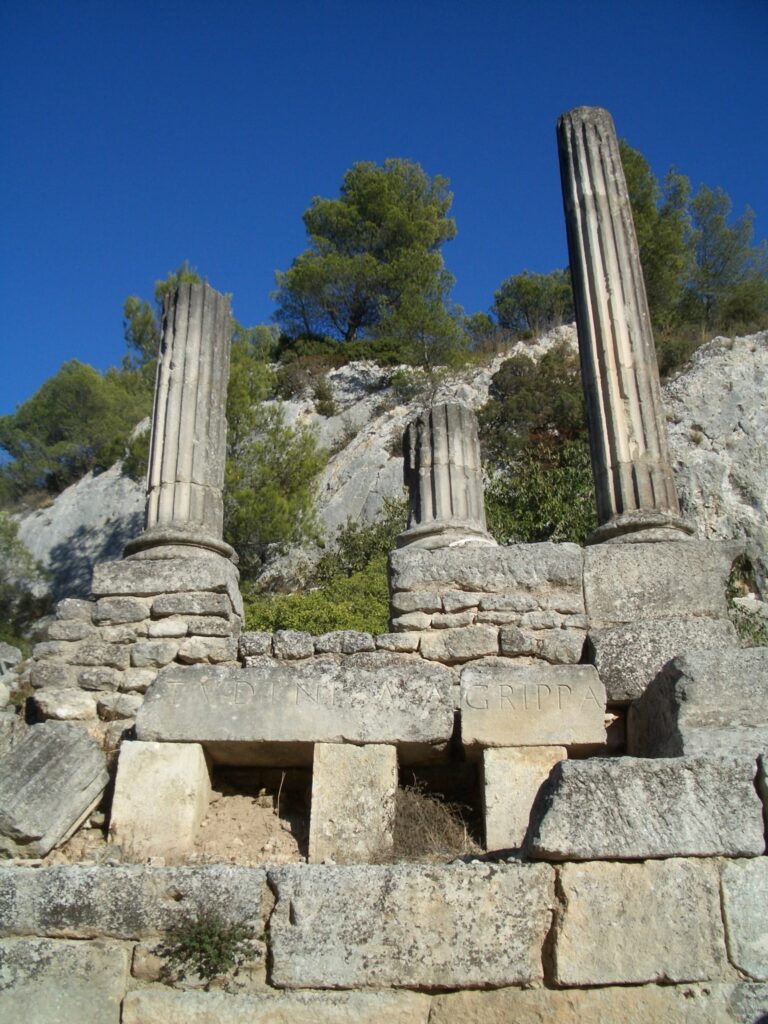
Intellectual Contributions and Enduring Impact Beyond Politics
Marcus Vipsanius Agrippa made significant contributions to the intellectual landscape of Rome, particularly in the field of geography. His writings provided detailed insights into different regions within the Roman Empire, showcasing a deep understanding of its vast and diverse territories. These contributions built upon earlier imperial surveys initiated by Julius Caesar, which aimed to map and document the empire’s expanse for administrative and military purposes.
Practical Significance of Geography
Agrippa’s interest in geography was not merely theoretical. As a statesman with extensive military and administrative experience, he recognized the practical importance of accurate geographic knowledge for effective governance and strategic planning. His efforts played a crucial role in improving the empire’s infrastructure, such as Roman roads, which were vital for maintaining and expanding the empire, as well as facilitating communication and control across distant provinces.
Shaping Roman Identity
Beyond his writings, Agrippa’s legacy extended into cultural realms. He influenced the shaping of Roman identity by promoting knowledge and public works that celebrated Rome’s achievements and unity. His role in commissioning maps and surveys reinforced a sense of imperial coherence and pride.
Impact on Governance and Culture
- Agrippa’s geography writings provided valuable data for officials and scholars.
- His influence on empire surveys enhanced administrative efficiency.
- Cultural impact included fostering a shared Roman worldview tied to territorial mastery.
Agrippa’s intellectual pursuits complemented his political and military roles, leaving a lasting impact on Rome’s cultural and scientific heritage. This legacy is not just a part of history; it has shaped Western civilization in profound ways, influencing various aspects of modern society. The rise and fall of the Roman Empire serves as a testament to this enduring influence.
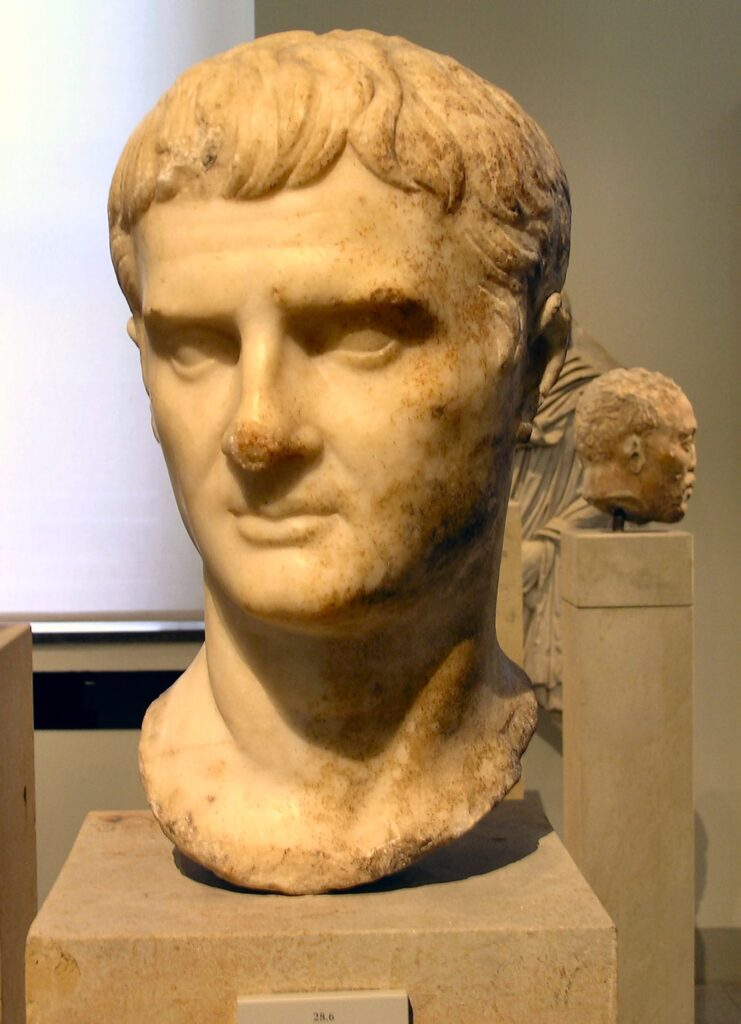
Family Ties Within The Julio-Claudian Dynasty: A Double-Edged Sword?
Marcus Vipsanius Agrippa’s marriage to Julia the Elder was a strategic alliance that linked him directly to Augustus’ family line, amplifying his influence beyond military and political spheres. Julia was Augustus’ only biological child, making Agrippa not just a trusted lieutenant but also a key member of the imperial household.
This union offered several advantages:
- Strengthened Political Standing: Marrying Julia elevated Agrippa’s status within Rome’s elite, reinforcing his legitimacy and closeness to the emperor.
- Dynastic Connection: Their children became integral to the Julio-Claudian dynasty, ensuring Agrippa’s bloodline intertwined with future emperors.
- Legacy Through Descendants: Agrippa was the maternal grandfather of Caligula and great-grandfather of Nero, two emperors whose reigns significantly impacted Roman history.
The alliance tied Agrippa’s fortunes tightly to Augustus’ legacy. While it secured his family’s prominence for generations, it also placed them within the complex web of imperial succession politics—where favor could shift quickly and family connections were both an asset and a source of vulnerability.
This blend of personal and political relationships illustrates how Agrippa’s role as builder, admiral, and power broker extended into shaping Rome’s ruling dynasty in ways that resonated long after his death, influencing imperial dynamics through kinship as much as through accomplishments.
Conclusion
Marcus Vipsanius Agrippa is an important figure in Roman history. His influence can be seen in the Augustan Era, where he played a key role in Rome’s military successes, political developments, and urban transformation. Agrippa was more than just a general or politician; he was a visionary builder whose public works—such as aqueducts, baths, and gardens—continue to showcase Rome’s greatness today.
Key reasons why Agrippa remains influential:
- Military genius who secured Augustus’ power through decisive naval victories
- Political strategist with extraordinary authority, balancing imperial ambitions and senate governance
- Urban planner who redefined Rome’s infrastructure and civic life
His life and influence demonstrate how one person can shape the destiny of an empire in various ways: as a builder, admiral, and power broker.
To learn more about this important time period or discover other fascinating figures who influenced ancient history, resources like Men of Pompeii offer captivating content that brings the past to life. The story of Agrippa encourages us to engage with Rome’s complex history and teaches us valuable lessons on leadership and legacy.
Explore more about Rome’s transformation and learn from those who made history unforgettable. Additionally, understanding the influence of Roman mythology on modern culture or delving into the lives of the Patricians – masters of Roman luxury and power, can provide valuable insights into the intricate tapestry of ancient Rome.
FAQs (Frequently Asked Questions)
Who was Marcus Vipsanius Agrippa and why is he significant in Roman history?
Marcus Vipsanius Agrippa was a prominent Roman builder, admiral, and power broker who played a crucial role in shaping the Roman Empire under Augustus. His close relationship with Augustus helped transform Rome through his military leadership, political influence, and extensive public works projects.
How did Agrippa’s early life and friendship with Octavian influence his rise to power?
Agrippa came from plebeian origins in Roman Italy and formed an early friendship with Octavian (later Augustus). This alliance set the stage for his future prominence during the turbulent political climate following Julius Caesar’s assassination, allowing him to emerge as a strong leader alongside Octavian.
What were Agrippa’s key military achievements and contributions as an admiral?
Agrippa secured vital military victories including the defeat of Sextus Pompey at Mylae and Naulochus. As commander of Octavian’s fleet during the Battle of Actium in 31 BC, he played a pivotal role in securing Augustus’ dominance over Rome through strategic naval warfare.
In what ways did Agrippa influence Roman politics during Augustus’ reign?
Agrippa held various political offices such as tribune of the plebs, praetor urbanus, and multiple consulships. He wielded exceptional authority including veto rights over Senate acts, leveraging his position to shape legislation and governance as a critical intermediary between Emperor Augustus, the Senate, and Roman citizens.
What were Agrippa’s major contributions as a builder and urban planner in Rome?
Agrippa initiated ambitious public works projects that renovated aqueducts ensuring reliable water supply, constructed baths, porticoes, gardens enhancing civic life, and began the original building phase of the Pantheon as a commemorative monument of his victory at Actium—later completed by Hadrian as an architectural marvel.
How did Agrippa’s family ties within the Julio-Claudian dynasty affect his legacy?
By marrying Julia the Elder, Agrippa strengthened his position by linking directly to Augustus’ family line. This connection proved advantageous for future emperors like Caligula (his maternal grandson) and Nero (his great-grandson), intertwining his legacy deeply within the imperial dynasty.